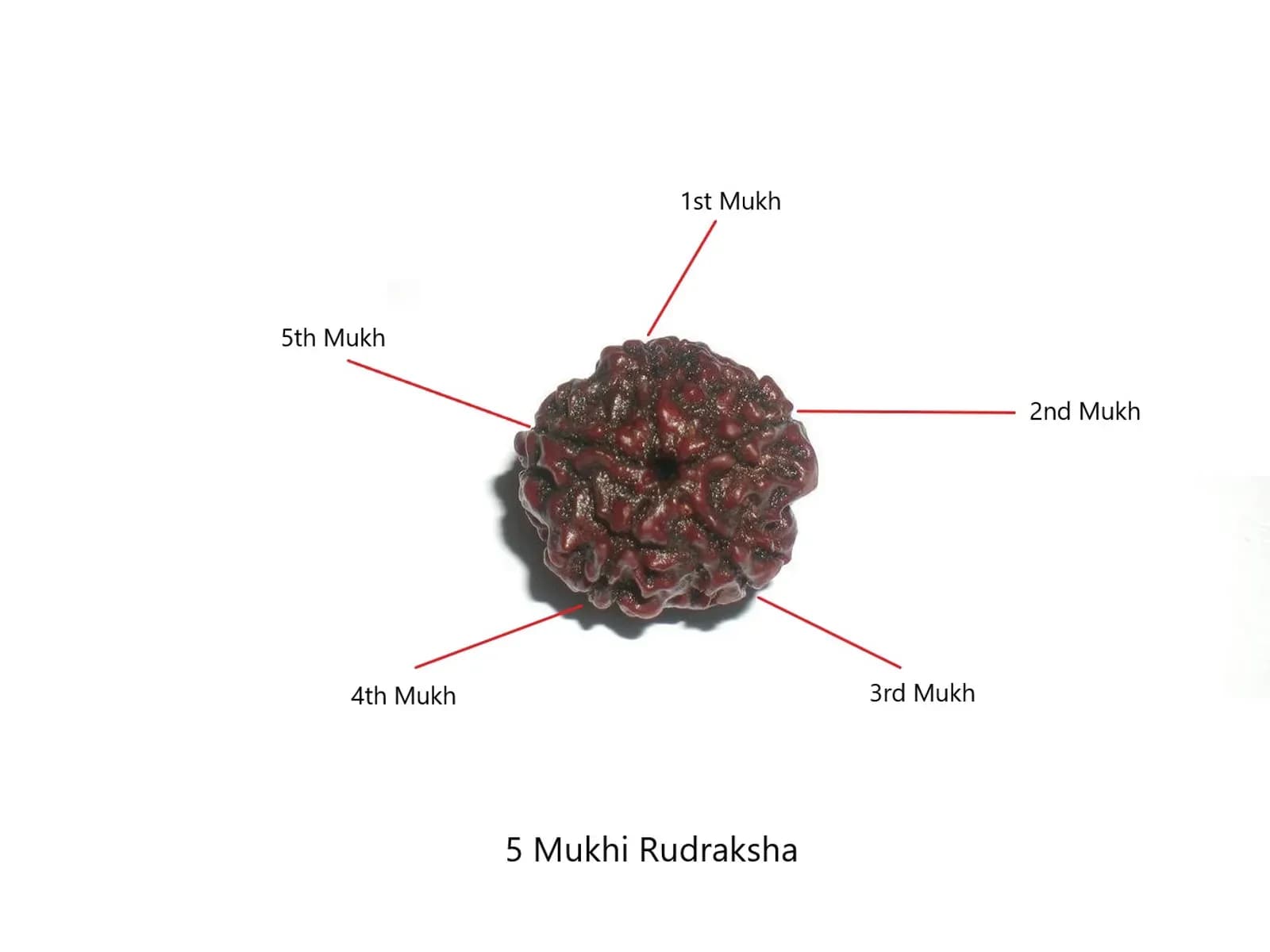
Counting the faces of a rudraksha
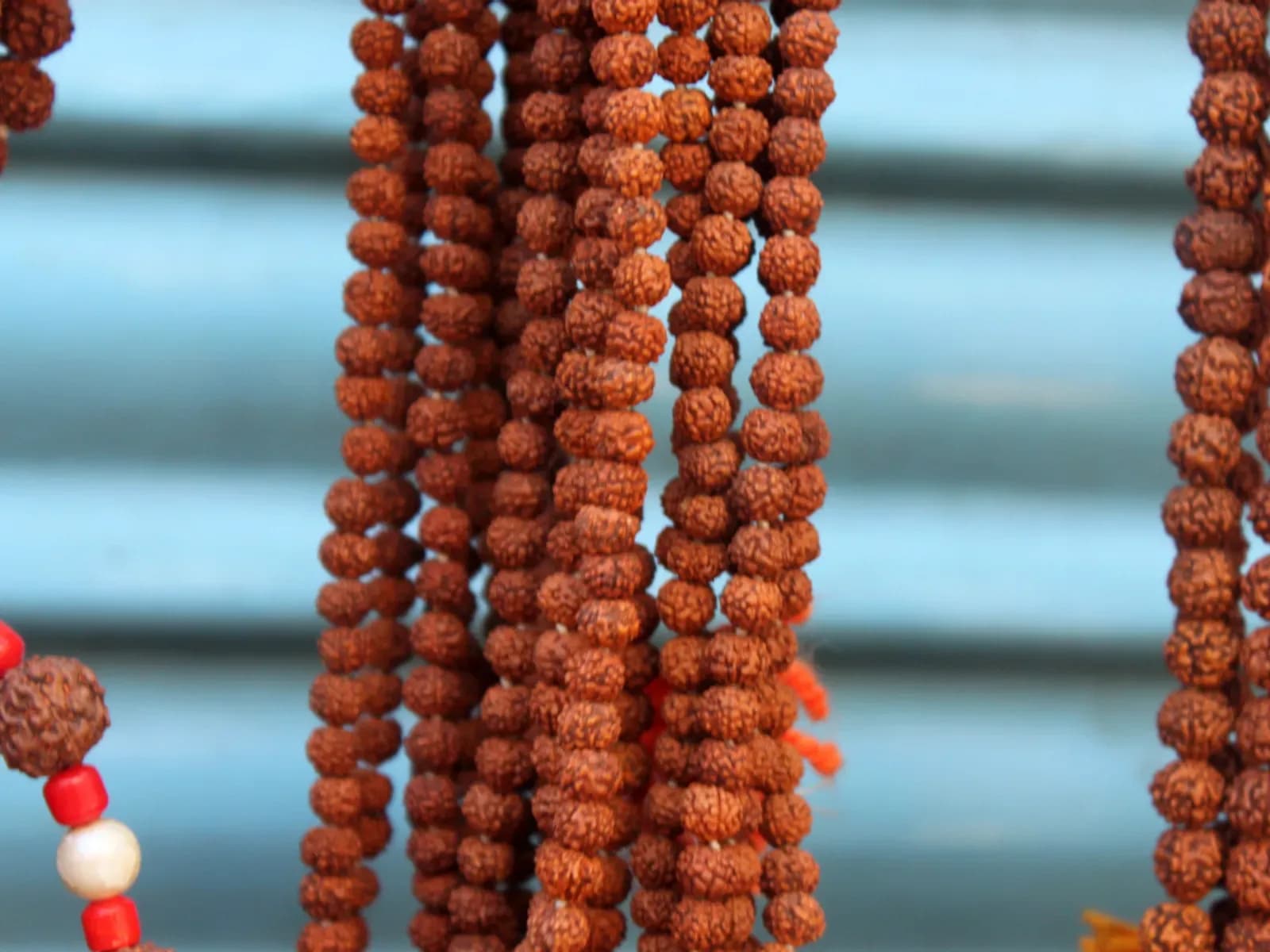
A mukhi is a line that runs the whole way from the top of the bead to the bottom. This is how we count them at the counter, and what to look for in your own.
Read the storyRecipes from hill kitchens, the people who make what we sell, and the seasons that decide when it’s ready.
A mukhi is a line that runs the whole way from the top of the bead to the bottom. This is how we count them at the counter, and what to look for in your own.
Read the storyWhich bead to start with, how to put it on the first time, and how to look after it. Simple customs, not rules.
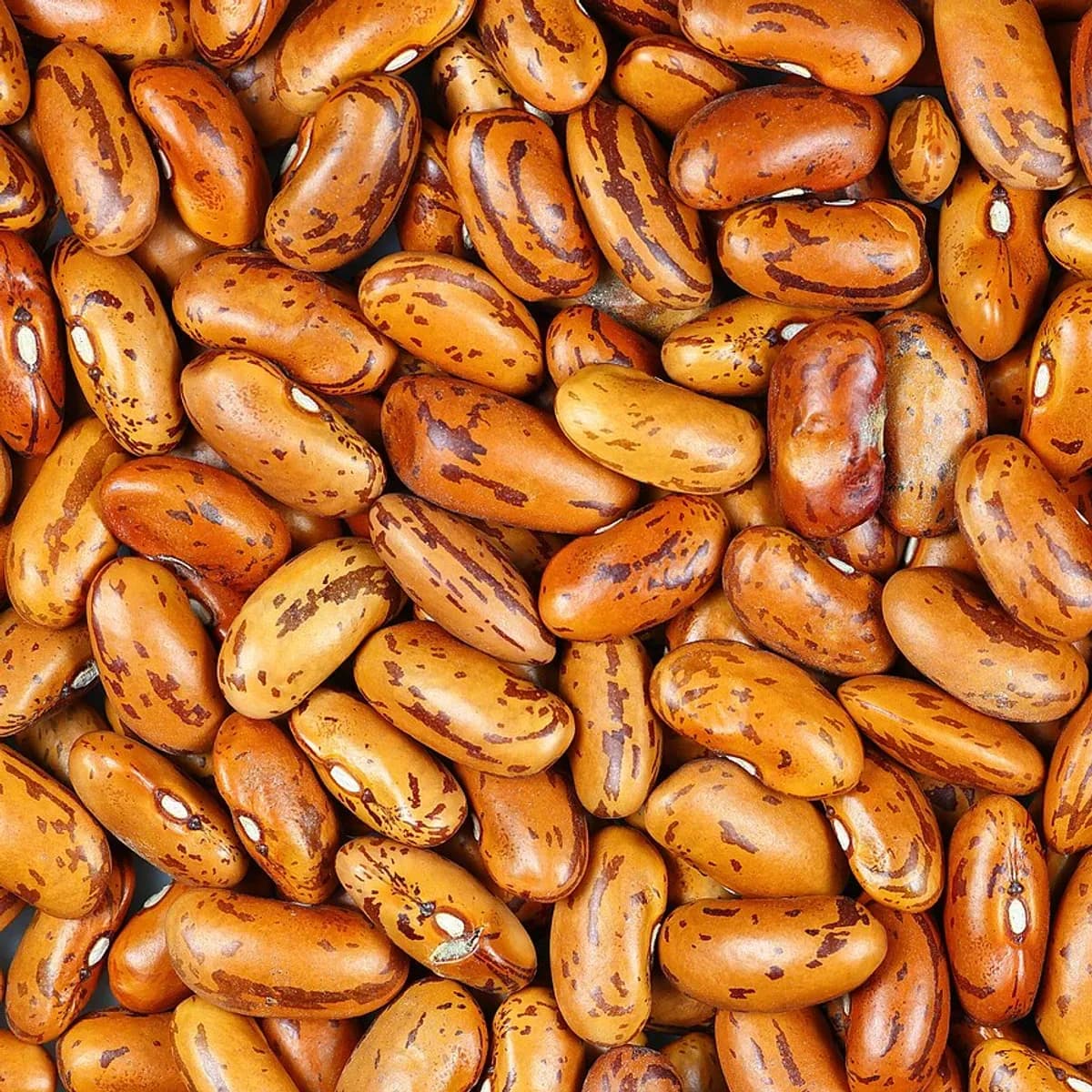
Read the story: Wearing your first rudrakshaSmall, speckled beans from above 2,500 metres, cooked simply so they taste of themselves — with a crackle of jakhya and red rice on the side.
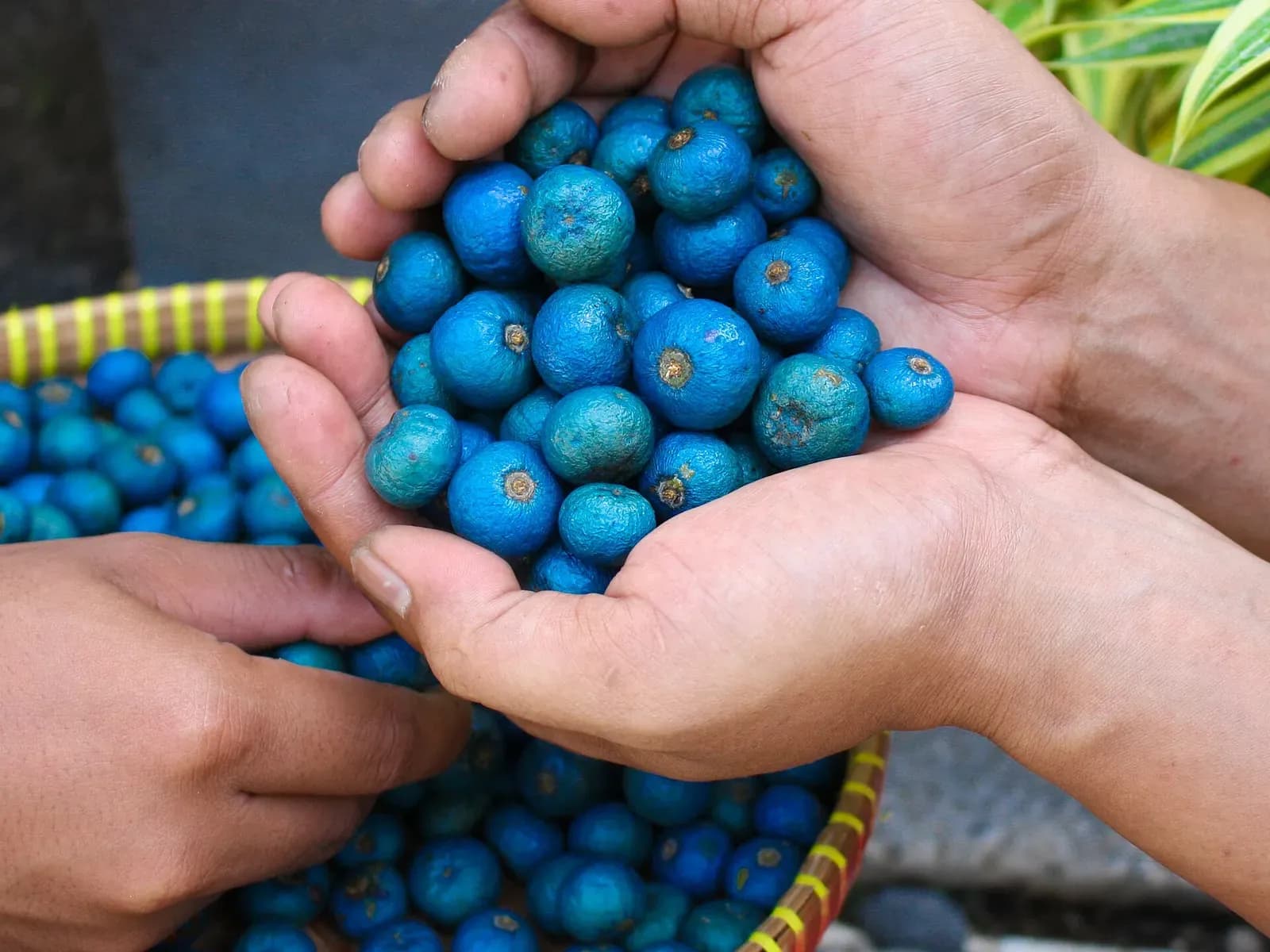
Read the story: Harsil rajma, the way Garhwal cooks itA rudraksha starts as a bright blue fruit on a tall evergreen tree. It takes weeks of soaking, scrubbing and drying before it becomes the bead on your thread.
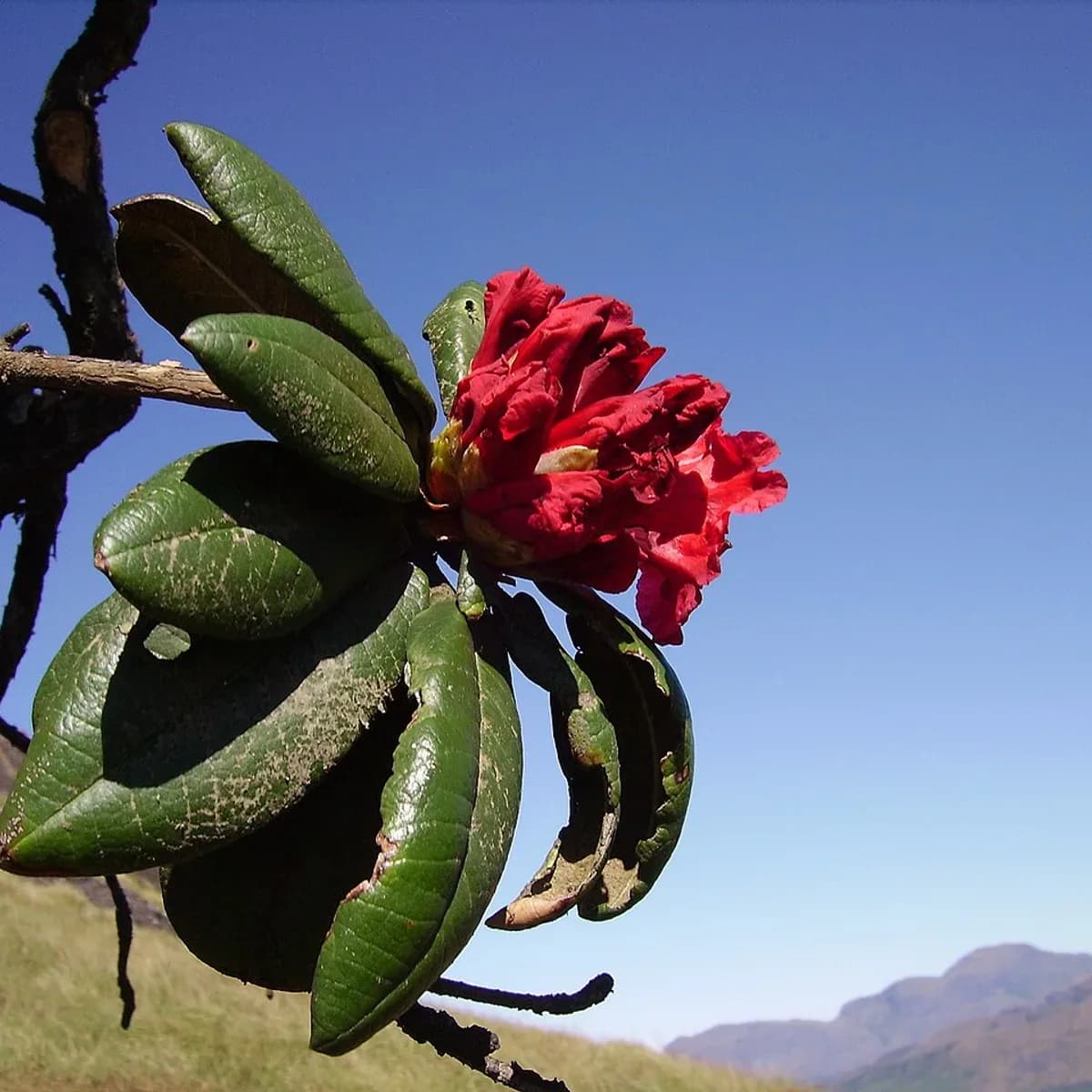
Read the story: From a blue fruit to a beadEvery spring the rhododendron forests of the high hills flower all at once. For a few weeks, the petals are picked by hand and pressed into a sweet-tart cordial.
Read the story: When the forests turn red: buransh seasonSorted on a brass sieve, checked under a lens, knotted bead by bead on red silk. About two hours for each mala.
Read the story: 109 knots: how a mala is strung at our counter