 13% off
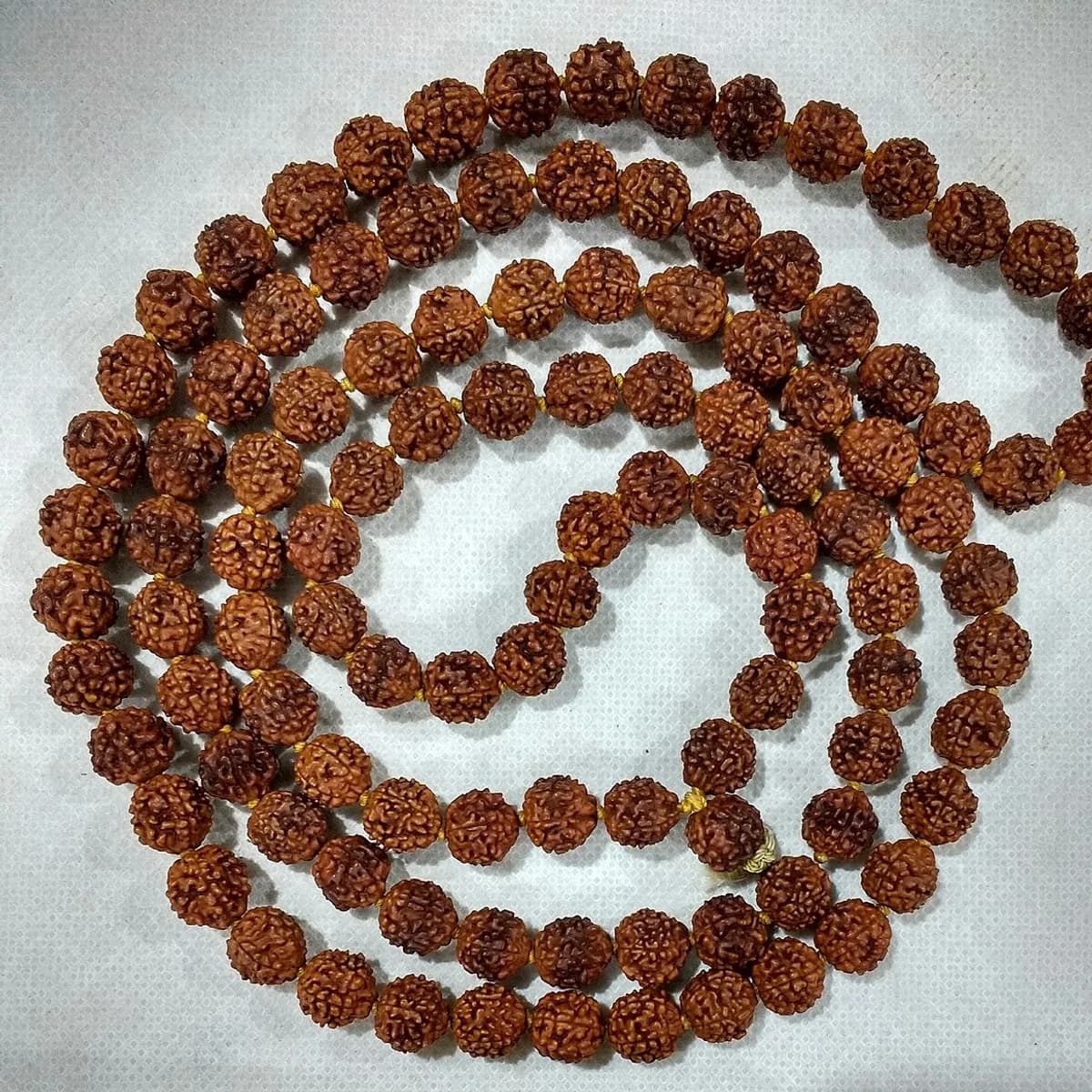
5 Mukhi · grown in Nepal5 Mukhi Rudraksha Kantha, 32+1₹1,299maximum retail price ₹1,49913% off1 piece
Beads from the hills of Nepal, counted and checked under a lens at our counter, and strung here on red silk. Start with a single five-mukhi bead; the guide below helps you choose.
13% off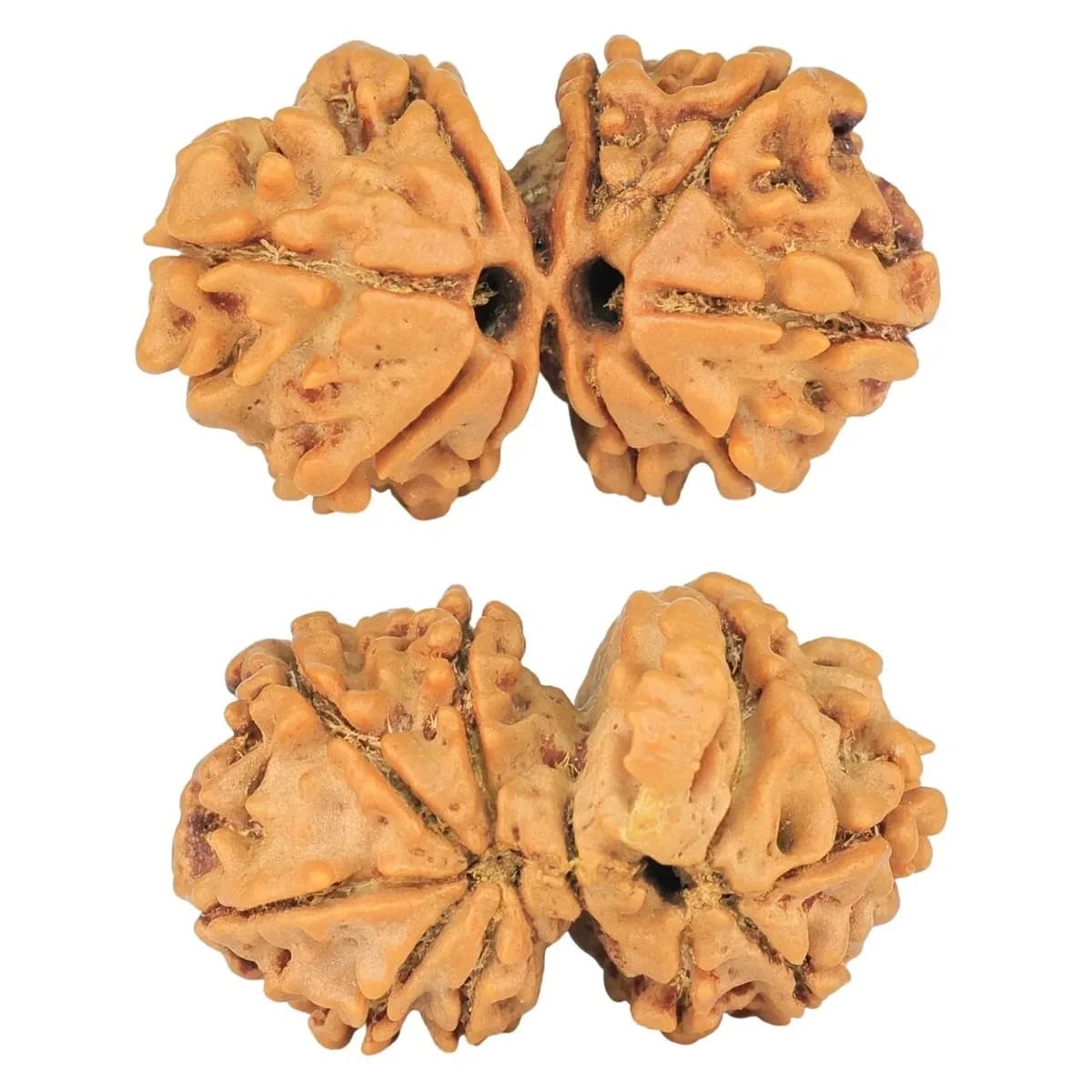
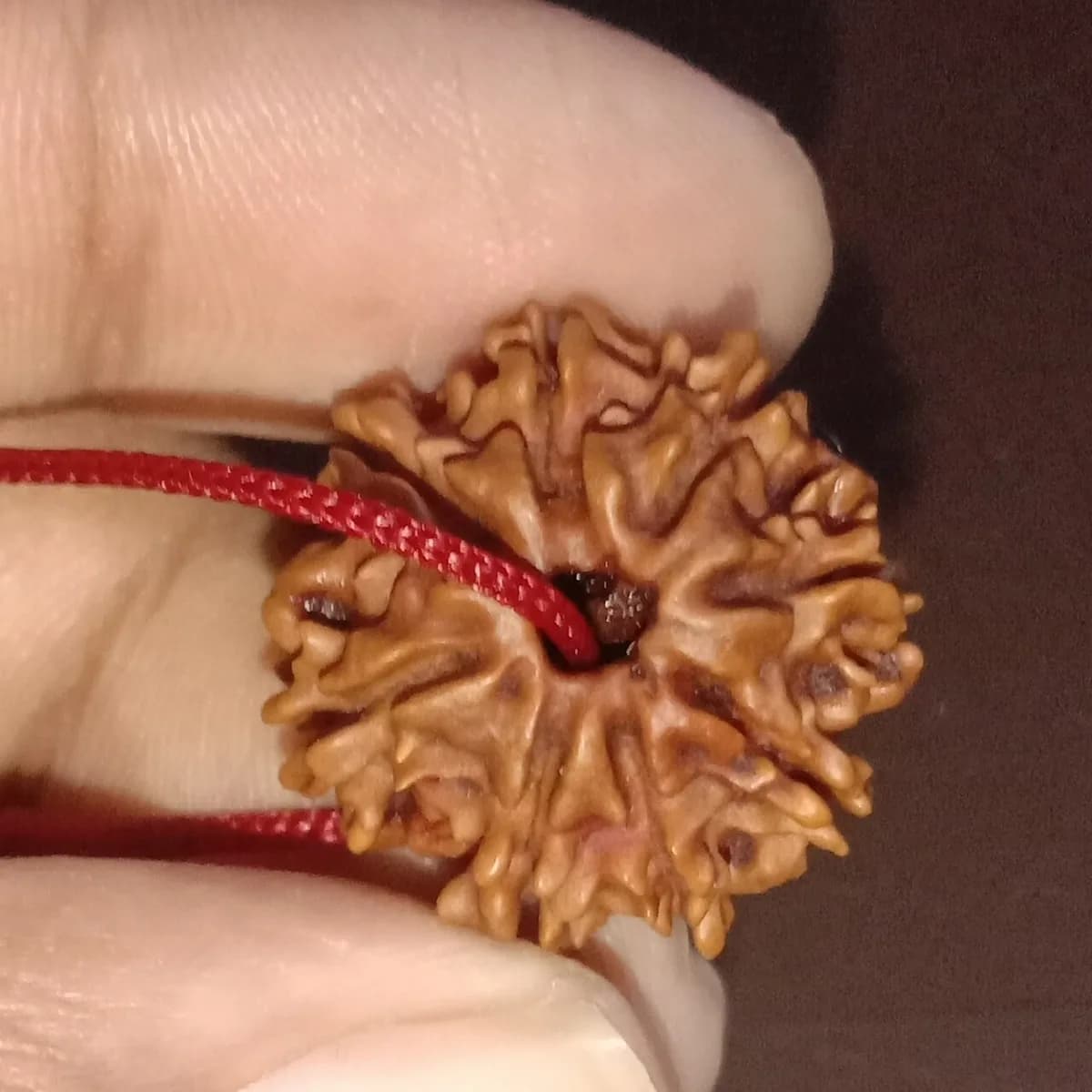
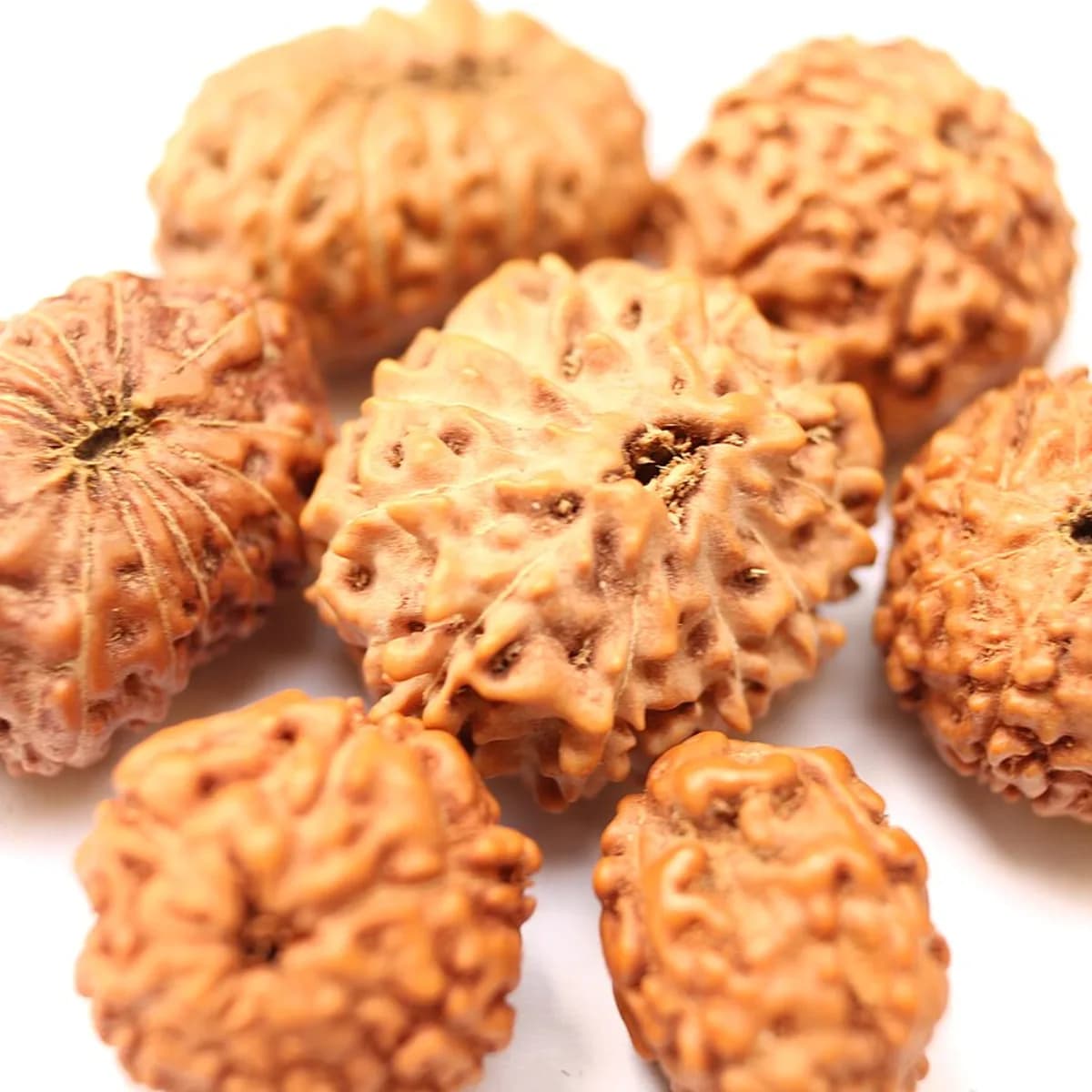
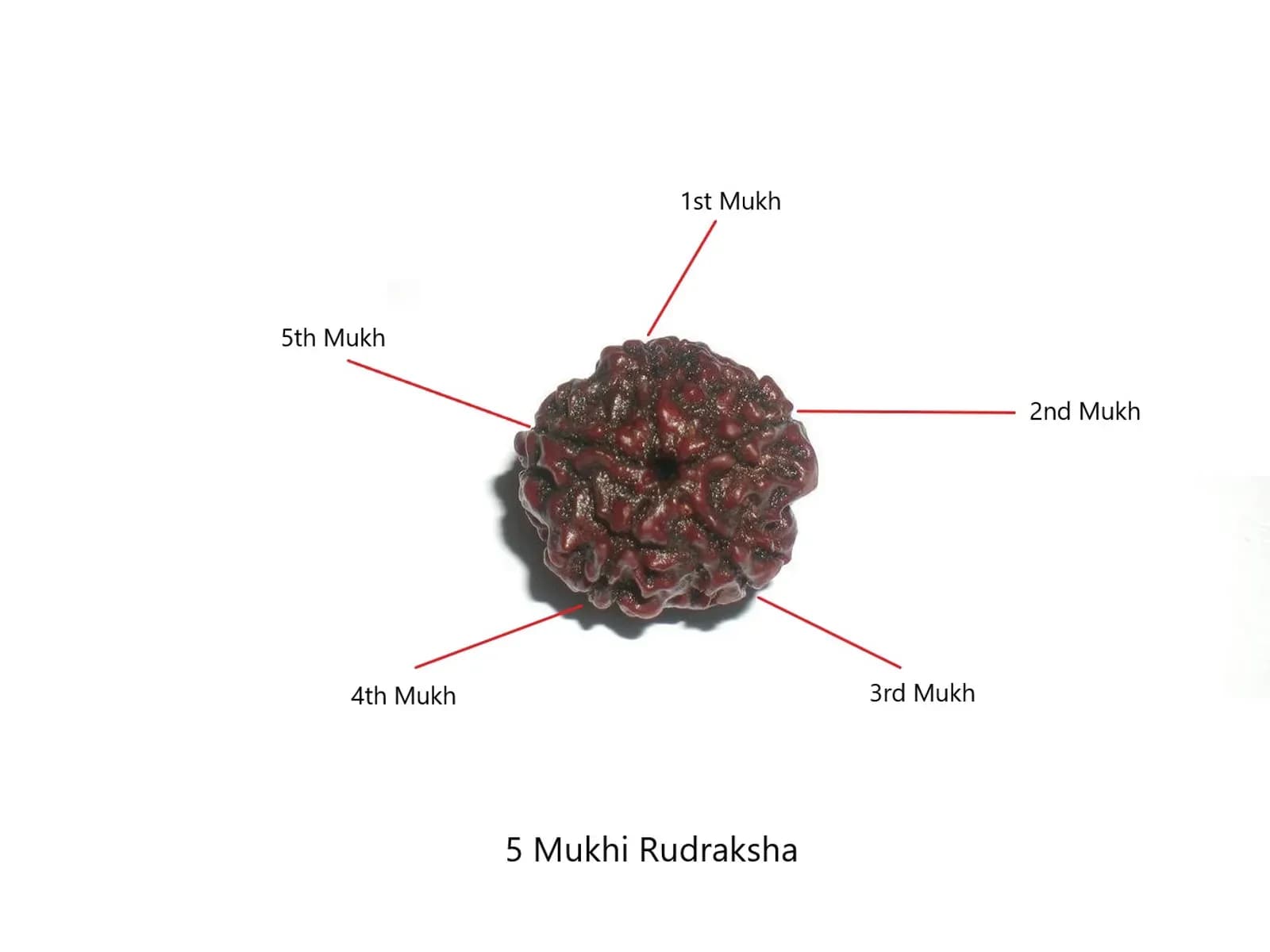
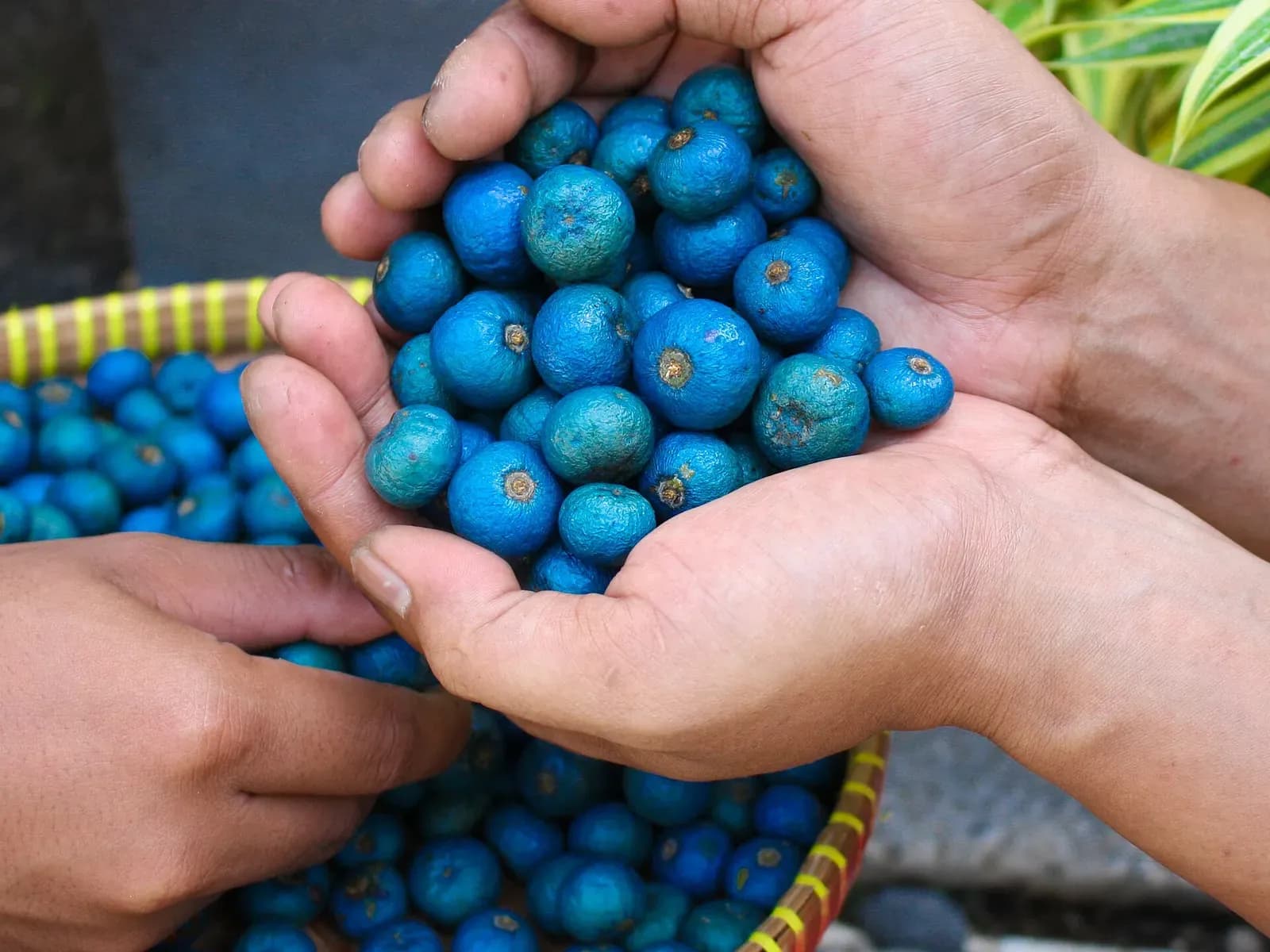
A rudraksha is the dried seed of the Elaeocarpus tree, which grows in the foothills from Nepal to Indonesia. Its natural lines, the mukhi, run from top to bottom; tradition gives each count its own deity, planet and mantra.
| Bead | Mukhi | Traditionally linked to | Planet (in Jyotish) | From |
|---|---|---|---|---|
| 5 Mukhi Rudraksha, Nepal | 5 | Kalagni Rudra, a form of Shiva | Jupiter (Guru) | ₹149 |
| 5 Mukhi Rudraksha Kantha, 32+1 | 5 | Kalagni Rudra, a form of Shiva | Jupiter (Guru) | ₹1,299 |
| 5 Mukhi Rudraksha Mala, 108+1 | 5 | Kalagni Rudra, a form of Shiva | Jupiter (Guru) | ₹1,499 |
| Gauri Shankar Rudraksha, Nepal | Two beads grown joined | Shiva and Parvati together | — | ₹2,499 |
| 8 Mukhi Rudraksha, Nepal | 8 | Ganesha | Rahu | ₹4,499 |
Deity and planet are what tradition says about each bead. We don’t promise what a bead will do for you.
Size doesn’t change the mukhi; it changes how the bead wears. Bigger beads are rarer, so they cost more.
Most people wear an 18 or 20 mm bead on a thread at the chest. A 22 mm bead or larger sits well alone as a pendant. Malas and kanthas use small beads, 6 to 10 mm, so that many fit on one string.
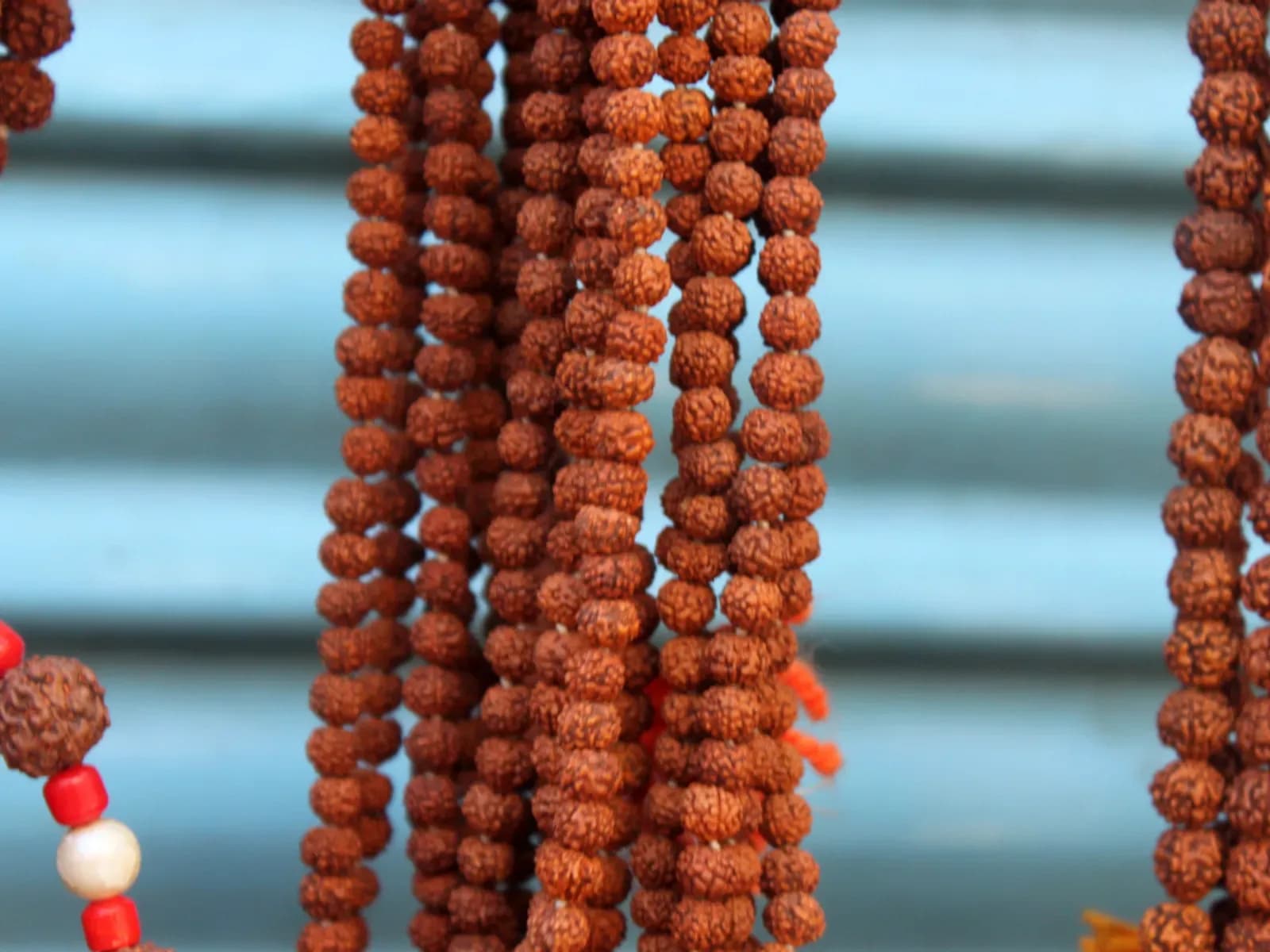
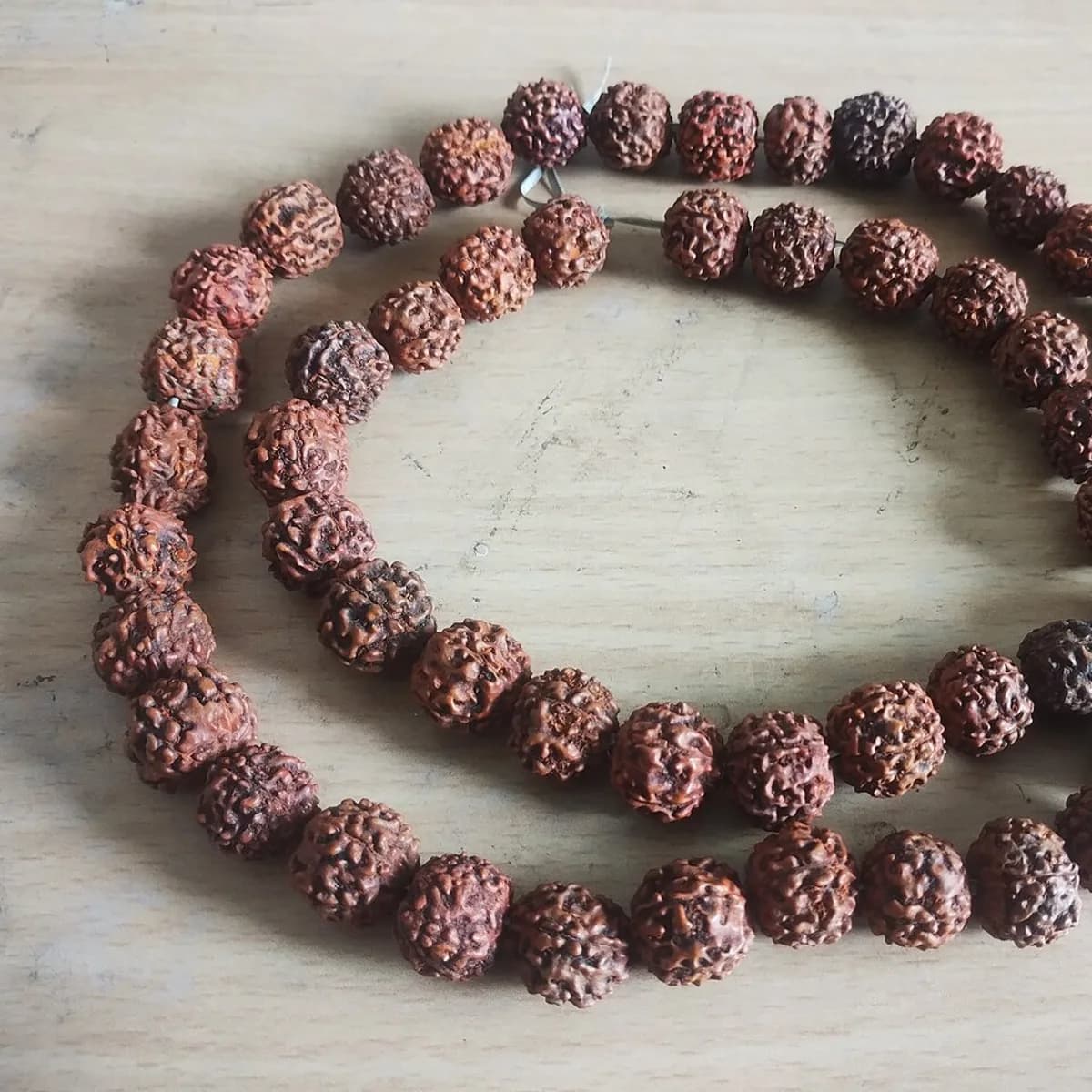
Beads from Nepal are large, usually 15 to 30 mm, with deep lines and pronounced ridges. Beads from Java in Indonesia are small and smooth, mostly 5 to 15 mm, and most malas sold in India are strung from them.
Both come from the same family of trees. Our loose beads, kanthas and malas are all from Nepal, and each product page says where its beads grew.
Wipe it with a dry cloth. Once a month, brush in a drop of mustard or sandalwood oil with a soft toothbrush and let it dry in the shade. Keep it away from soap, perfume and long soaks, which dry the bead and weaken the thread.
Count the lines: each runs unbroken from the top opening to the bottom. Look into them with a lens for glue, filler or carved marks. Floating or sinking in water proves nothing. We check every bead this way before it leaves our counter.
Yes. Women in the hills wear rudraksha every day. The restrictions some people mention are customs, not rules.
It does the bead no harm, but soap and long soaks dry it out and wear the thread. Many people take it off at night and before bathing.
No. We don’t sell energisation or certificates. Many people simply say the bead’s mantra the first time they wear it.
We don’t make that promise. People wear rudraksha as a practice of faith and focus. For a health problem, please see a doctor.